Chronic mouth breathing at night is almost always caused by something physically blocking or narrowing your nasal airway — congestion, allergies, a deviated septum, or enlarged tonsils/adenoids — and the fastest way to stop it is treating that root cause rather than mechanically forcing your mouth shut with tape. Nasal strips, allergy treatment, saline rinses and myofunctional exercises address the actual airflow problem; mouth taping is a last-resort tool for people who've already ruled out an obstruction, not a first step.
Mouth breathing at night is a symptom, not the underlying problem: your body defaults to breathing through your mouth because something is making nasal breathing harder than it should be. Reach for tape before figuring out why, and you're mechanically forcing your mouth shut on a nose that's still blocked — treating the alarm instead of the fire. Why the nose is the designed airway is explained in the Wikipedia article on mouth breathing. Fix the underlying reason first, and for a lot of people the taping question quietly stops mattering.
How to stop mouth breathing: find out why first
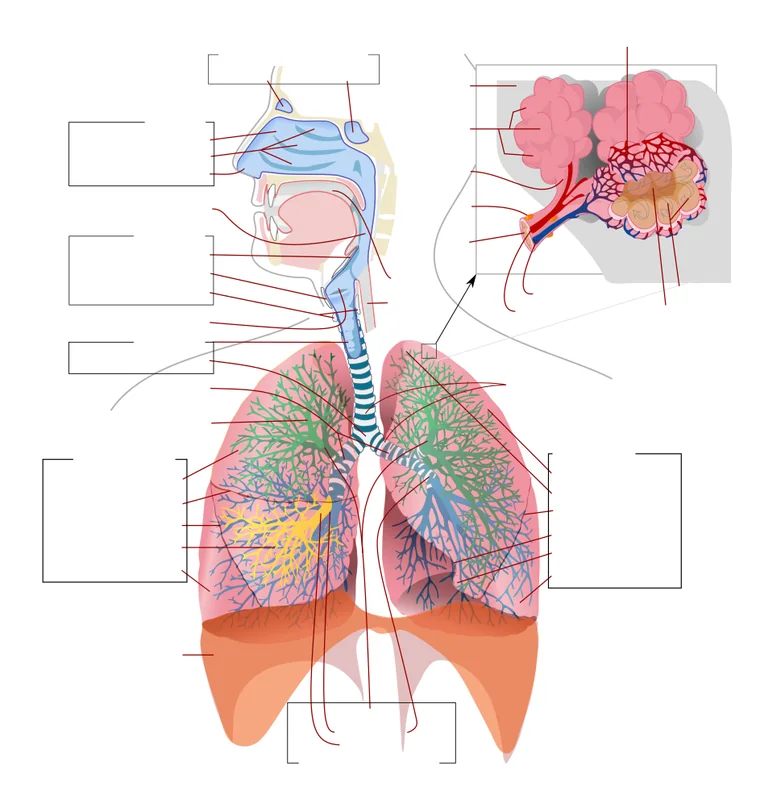
The nose is meant to be the default airway during sleep — it warms, filters and humidifies air in a way the mouth doesn't. If you're consistently breathing through your mouth instead, something is usually narrowing or blocking that nasal route:
- Nasal congestion — from a cold, sinus issue, or chronic allergies.
- A deviated septum — a structural narrowing that makes nasal breathing genuinely harder, sometimes only on one side.
- Enlarged tonsils or adenoids — especially relevant in children, but present in some adults too.
- Habit — in a smaller number of cases, especially in people who mouth-breathed heavily as children, it persists as a learned pattern even once any physical blockage has resolved.
Treat the cause, not just the symptom
A myofunctional therapy trial in patients with mouth breathing and dental malocclusion found real improvement from addressing oral and facial muscle function directly — not from mechanically forcing the mouth shut. That's the core argument for working upstream: fixing the reason your mouth defaults open tends to outperform just preventing it from opening.
For parents: mouth breathing in children is worth more urgency
If it's your child rather than you, the calculus shifts. Chronic mouth breathing in growing children has been linked to altered facial and dental development — narrower palates, crowded teeth, and a longer, flatter facial profile that's harder to reverse once bone growth has finished. This is exactly why enlarged tonsils and adenoids, one of the most common childhood causes, tend to get evaluated and treated more assertively in kids than the equivalent issue would in an adult. If your child snores, sleeps with their mouth visibly open, or you notice these developmental signs, it's worth raising with a pediatrician or ENT sooner rather than waiting to see if they grow out of it.
Chin straps, tape, and strips — not interchangeable
These three get lumped together as "mouth breathing fixes," but they work differently and carry different risk profiles. Nasal strips open the nostrils mechanically from the outside and carry essentially no risk — a reasonable low-effort experiment for almost anyone. Chin straps hold the jaw closed without fully sealing the lips, a gentler middle ground than tape. Mouth tape directly seals the lips shut, which is the most effective at forcing nasal breathing if your nose can actually handle the airflow — and the riskiest if it can't, since it removes your body's fallback option entirely. The safety order roughly follows that list: strips first, chin straps as a middle step, tape only once you've confirmed your nose is genuinely clear.
How long before you notice a difference
Treating nasal congestion or allergies often shows a difference within days. Structural fixes (a septum correction, tonsil or adenoid removal) obviously work on a different timeline — weeks of recovery, but often a decisive, permanent fix once healed. Myofunctional exercises are the slowest of the group, typically needing several weeks of consistent practice before muscle tone changes are noticeable, similar to any other form of physical therapy. Knowing this in advance helps you judge whether something is working versus just needing more time.
What actually helps, in order
- Treat nasal congestion and allergies — antihistamines, nasal steroid sprays, or saline rinses, depending on the cause. This alone resolves a large share of mouth breathing.
- See an ENT if you suspect structural narrowing — a deviated septum or enlarged tonsils/adenoids sometimes need a professional fix that home remedies can't provide.
- Try nasal strips as a low-risk mechanical aid that opens the nostrils without covering the mouth.
- Myofunctional exercises — tongue and lip posture training — for habitual mouth breathing once any physical obstruction is ruled out.
- Consider mouth taping last, and only once you've confirmed your nasal airway is actually clear enough to breathe through — taping a genuinely blocked nose is uncomfortable at best and unsafe at worst. If you're still weighing it, does mouth taping work covers the evidence and the real safety catch in detail.
Where SleepTrace fits
It helps to know whether what you're trying is actually working. SleepTrace records the sounds of your night on your iPhone, so you can listen back and get a real sense of whether your breathing sounds different after treating your congestion or trying nasal strips, rather than guessing from how tired you feel. If mouth breathing is also leaving you with rough morning breath, that's the same root cause showing up a different way.
Frequently asked questions
Start by identifying and treating why your nose is blocked or narrowed — congestion, allergies, or a structural issue — rather than jumping straight to mouth tape. Nasal strips, saline rinses and allergy treatment address the actual airflow problem; taping alone just prevents the symptom without fixing the cause.
Not usually. It's better used once you've confirmed your nasal airway is genuinely clear enough to breathe through — taping a mouth shut when the nose is still blocked is uncomfortable and can be unsafe. Treating the underlying cause first is the more effective and safer starting point.
In a sense, yes. Chronic mouth breathing during childhood has been linked to altered facial and dental development that's harder to correct once growth is complete, which is why enlarged tonsils or adenoids tend to get evaluated and treated more proactively in kids. If your child snores or sleeps with their mouth open, it's worth raising with a pediatrician sooner rather than waiting.
References
- Silva LKD, Brito GM, Pereira ASM, et al. Effectiveness of a myofunctional therapy program in the treatment of mouth breathing in patients with dental malocclusion: a pilot clinical trial. Codas (2026). Europe PMC
- Kaihara Y, Nagamine M, Hasegawa R, et al. Associations of incompetent lip seal and mouth breathing with stress in Japanese young adults: roles of oral function and nasal health. BMC Oral Health (2026). Europe PMC
SleepTrace is a wellness app, not a medical device. This article is general information, not medical advice. If your symptoms are frequent, severe or worrying, please talk to a doctor.
Hear your own night. SleepTrace turns a night of audio into your sleep phases, the sounds you made, and how it all trends — no wearable, just the iPhone on your nightstand. Download on the App Store →