Yes — sleep talking is very common and, on its own, harmless, especially in children and young adults. It is triggered by stress, tiredness, illness or alcohol. It is worth a doctor's look only if it is frequent and disruptive or comes with acting out dreams, sleepwalking or gasping.
Short answer: yes, sleep talking is normal. It is one of the most common sleep behaviours there is — studies suggest most people do it at least occasionally, and a good number do it regularly, particularly children and young adults. It is not a disorder, it does not mean you are stressed to breaking point, and it is not a window into secrets you are hiding. It is just the speech system briefly firing when it is meant to be offline.
Is sleep talking normal — and when to worry
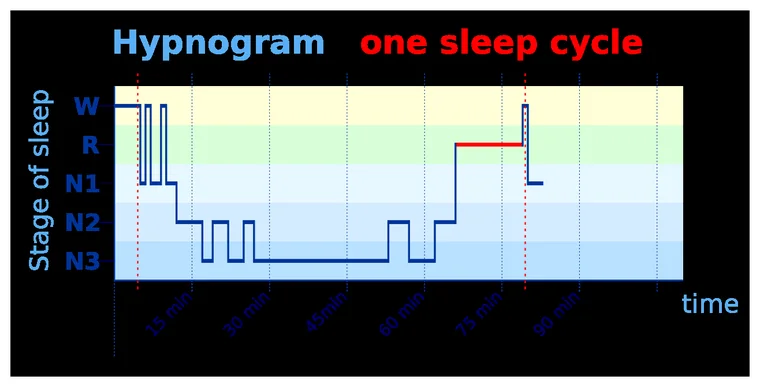
Sleep talking (somniloquy) happens at the edges of sleep — in lighter stages and around dreaming — where the wall between the sleeping and waking brain is at its thinnest. Because the rational, editing part of your brain is offline, what comes out is fragmentary and often nonsensical: half-words, disconnected phrases, the occasional weirdly confident full sentence. It is not censored, but it is also not meaningful in the way waking speech is, so reading deep significance into "what someone said in their sleep" is a mistake. If you want the clinical overview of the range of sleep parasomnias this belongs to, the Wikipedia parasomnia article is a solid starting point.
Who does it, and how much
It is most common in children and tends to fade with age, though plenty of adults keep doing it. It runs in families. And it comes and goes: a stressful week, a bout of flu, a few short nights or a heavy night out can all set off a spell of it before it settles again. For a closer look at the mechanics and triggers behind it, see what causes sleep talking.
The rare times it matters
Sleep talking becomes worth a professional look only when it stops travelling alone. Frequent, loud talking with acting-out of dreams and violent movement can point to a REM-related parasomnia; talking bundled with snoring, gasping and daytime tiredness points toward disrupted breathing. In both cases it is the companions, not the talking, that matter.
When to see a doctor
Talk to a doctor if the sleep talking is frequent and disruptive, if it comes with acting out dreams, thrashing or leaving the bed, or if it travels with snoring, gasping or heavy daytime sleepiness. Otherwise, it is a harmless quirk — and often quieter once sleep and stress settle.
Living with it (yours or a partner's)
Since sleep talking is harmless in the vast majority of cases, the practical question is usually not how to cure it but how to live with it. For the talker, the levers are the same ones that calm sleep generally: a wind-down that lowers stress, a regular schedule, and easing off late alcohol and caffeine, all of which tend to reduce the frequency. For the partner losing sleep to it, earplugs or a white-noise machine are the honest first line, and simply understanding that the person is not awake or in distress takes a lot of the worry out of it. There is rarely any need to wake someone who is talking in their sleep — it does no harm to let it pass, and waking them just fragments both of your nights. If the talking suddenly becomes frequent, loud or violent when it never was before, that change is the thing worth mentioning to a doctor, rather than the talking itself.
Why some people talk and most do not
There is no single gene for sleep talking, but family patterns are real. Studies find sleep talking and related parasomnias cluster in families, and identical twins match more often than non-identical ones — a hint that temperament and nervous-system wiring play a part. It is also far more common in childhood, when the brain is still learning to move cleanly between sleep stages, and many people who talked as children grow out of it entirely.
The practical translation: if you talk at night and so did a parent, the trait is almost certainly constitutional — the nervous system's habit, not an illness knocking at the door. What shifts how often it fires is outside the genes: sleep deprivation, alcohol, a late night, fever, or stress all nudge the stage-transition balance and that is why the same person can go silent for months and then talk for a week. Reading it through that lens keeps it a quirk, not a scare story.
Where SleepTrace fits
If you are curious (or a partner is exasperated), SleepTrace records your night on your iPhone and pins the sounds to your sleep stages — so you can hear whether your sleep talking is a harmless light-sleep mumble, dream-linked chatter in REM, or something bundled with snoring and pauses that is worth taking further.
Frequently asked questions
Yes — it is one of the most common sleep behaviours there is, especially in children and young adults, and on its own it is harmless. It tends to fade with age and often comes and goes with stress, tiredness, illness or alcohol.
Only if it changes character: frequent and disruptive talking, talking with acting-out of dreams or thrashing, or talking bundled with snoring, gasping or heavy daytime sleepiness. Those combinations are worth a doctor's look.
It happens at the edges of sleep, in lighter stages and around dreaming, where the sleeping and waking brain overlap. Stress, a disrupted schedule, illness, short nights and alcohol can all trigger a spell of it. See what causes sleep talking in adults.
SleepTrace is a wellness app, not a medical device. This article is general information, not medical advice. If your symptoms are frequent, severe or worrying, please talk to a doctor.
Hear your own night. SleepTrace turns a night of audio into your sleep phases, the sounds you made, and how it all trends — no wearable, just the iPhone on your nightstand. Download on the App Store →