Snoring that starts or worsens in pregnancy is common — swollen nasal tissue, weight gain and hormonal changes narrow the airway. Most of it is harmless. But new, loud, frequent snoring — especially with witnessed breathing pauses or high blood pressure — is linked to a higher risk of gestational hypertension and preeclampsia, so it's worth mentioning at a prenatal visit rather than waiting for it to resolve after birth.
Nobody warns you about this one. Somewhere around the second trimester, a lot of people who have never snored a night in their life suddenly start — and the people around them (understandably) treat it as a minor, faintly funny side effect of pregnancy, right up there with cravings and swollen ankles. Mostly, that reassurance is fine. But "mostly" is doing some real work in that sentence, and the exception is worth ten minutes of your attention.
Why snoring while pregnant happens in the first place
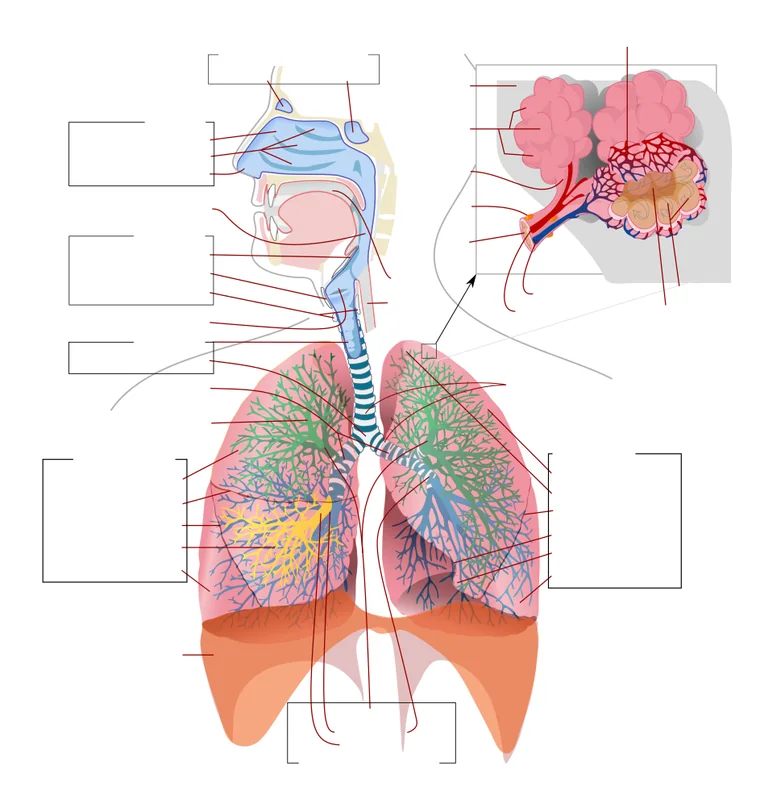
Several ordinary pregnancy changes stack up against your airway at once. Rising estrogen and progesterone cause the nasal lining to swell and produce more mucus — pregnancy rhinitis, essentially a stuffy nose that lasts months. The condition snoring can signal in pregnancy is described in the Wikipedia article on obstructive sleep apnea. Blood volume increases by up to 50%, which further swells soft tissue throughout the upper airway. And weight gain, particularly around the neck and throat, adds direct mechanical pressure. None of these are dramatic on their own, but together they can turn a lifelong quiet sleeper into a snorer almost overnight.
The part worth taking seriously
Here's where I'll push back on the "just pregnancy" script a little. Loud, frequent, new-onset snoring in pregnancy — especially paired with witnessed pauses in breathing, gasping, or choking sounds — is a recognized marker of gestational obstructive sleep apnea, and it isn't just a comfort issue. It's been associated with a meaningfully higher risk of gestational hypertension and preeclampsia, conditions that matter for both you and the baby. This doesn't mean every snoring pregnant person has apnea, or that everyone needs a sleep study. It means the "just pregnancy, it'll go away" line shouldn't be the whole conversation, because for a subset of people it's a genuine, treatable signal being waved off as normal.
Ordinary vs. worth flagging
Quiet, occasional snoring that shows up when you're congested or lying flat on your back is the unremarkable, common version — most pregnancy snoring lives here, and it typically eases after delivery as fluid retention resolves. What's worth flagging is the combination: loud snoring most nights, a partner noticing pauses or gasps, and blood pressure that's trending up at your check-ups. Any one of those alone isn't alarming. Together, they're a pattern your OB should hear about, not something to mention in passing.
Does it just go away after the baby comes?
For most people, yes, largely — snoring driven by pregnancy rhinitis and fluid retention eases within weeks of delivery as those hormonal and volume changes reverse. Weight-related snoring can take longer to resolve, tracking postpartum weight rather than the pregnancy itself. If loud, frequent snoring or witnessed breathing pauses persist well past the postpartum period, that's worth a follow-up rather than assuming it was purely a pregnancy artifact — a genuine, separate sleep apnea can be unmasked by pregnancy and simply remain afterward.
What a sleep study during pregnancy actually involves
If your OB does want to investigate further, it's worth knowing this isn't as disruptive as it sounds. Many cases can be assessed with a home sleep apnea test — a small, wearable monitor for one night, no hospital stay required — rather than an in-lab study. And if treatment is needed, CPAP (a small machine that keeps the airway open with gentle air pressure) is considered safe throughout pregnancy and is the standard first-line treatment, which is genuinely reassuring: this is a well-understood, manageable situation for both maternal-fetal medicine and sleep medicine, not a rare or frightening one.
What actually helps in the meantime
- Sleep on your side, not your back — this alone reduces airway collapse and is standard pregnancy advice anyway for circulation.
- A humidifier and nasal saline rinses ease pregnancy rhinitis without medication.
- Elevate your head slightly with an extra pillow to reduce tissue pooling in the throat.
- Track your blood pressure if you have a home cuff, and mention any upward trend alongside the snoring — the two together are the actual signal, not either one alone.
Where SleepTrace fits
Because you can't hear your own snoring, the useful thing is an objective record: how loud, how often, and whether it comes with gasps rather than just noise. SleepTrace records your night on your iPhone and gives you exactly that — something concrete to describe (or literally play) for your midwife or OB, instead of "I think I might be snoring more." If you want the general mechanics of snoring first, what causes snoring covers the airway side in more depth.
Frequently asked questions
Yes — new snoring is common, usually starting in the second trimester as hormonal changes, increased blood volume and nasal congestion narrow the airway. Quiet, occasional snoring is typically nothing to worry about and often eases after delivery.
Loud, frequent snoring — especially with witnessed gasping or breathing pauses — is linked to a higher risk of gestational hypertension and preeclampsia. It's worth mentioning to your OB or midwife, particularly if your blood pressure is also trending up, rather than assuming it will simply resolve on its own.
Yes — CPAP is considered safe throughout pregnancy and is the standard first-line treatment if a sleep study confirms gestational sleep apnea. Many cases can be assessed with a simple at-home sleep test rather than an overnight stay in a lab, which makes the whole process more manageable than it sounds.
References
- Al-Hamas M, Zoha S, Abdulrahman S, et al. Gestational Obstructive Sleep Apnea: From Pathophysiological Mechanisms to Maternal-Fetal Outcomes. Cureus (2026). Europe PMC
SleepTrace is a wellness app, not a medical device. This article is general information, not medical advice. If your symptoms are frequent, severe or worrying, please talk to a doctor.
Hear your own night. SleepTrace turns a night of audio into your sleep phases, the sounds you made, and how it all trends — no wearable, just the iPhone on your nightstand. Download on the App Store →