Sleep bruxism — grinding or clenching your teeth at night — is most often driven by stress and anxiety, and is linked to disrupted sleep, certain medications, caffeine and alcohol. It can also travel with snoring and sleep apnea. Signs include jaw pain, worn teeth and morning headaches; a dentist and stress management are the usual first steps.
You wake with an aching jaw, a dull headache at the temples, or a dentist tells you your teeth are wearing down — and the culprit turns out to be something you do every night without the faintest awareness of it. Sleep bruxism, the grinding and clenching of teeth during sleep, is common, mostly happens in the shallows of the night, and is usually driven by one thing above all: stress.
What causes teeth grinding in your sleep: what drives it
Bruxism is not really a tooth problem; it is a nervous-system one that shows up in the teeth. The clinical side of the condition is covered in the Wikipedia article on bruxism. The strongest and most consistent driver is stress and anxiety — a keyed-up nervous system does not fully stand down at night, and the jaw is where a lot of people carry that tension. On top of that sit the usual sleep aggravators.
The stress-hormone link
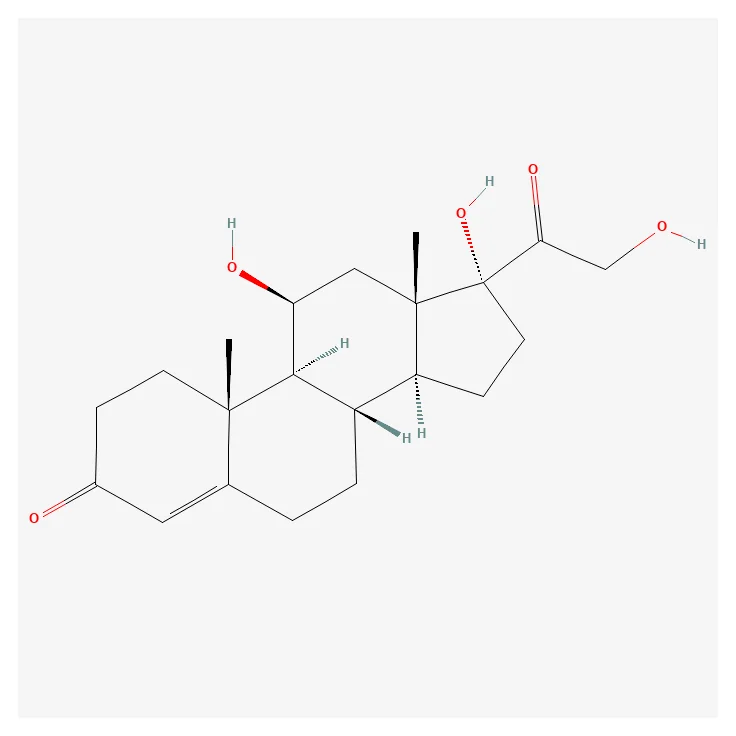
The stress connection is not hand-waving. Bruxism is associated with the body's stress-arousal system being over-active around sleep — the same cortisol-driven "keyed-up" state that makes it hard to switch off. It is why grinding so often flares during pressured periods and eases when life calms down, and why stress management is a genuine treatment rather than a platitude.
When in the night it happens
Grinding tends to cluster in lighter sleep and around brief arousals rather than in deep sleep — one reason it often travels with fragmented, disrupted nights, and with snoring and apnea, which produce those arousals. That overlap is worth knowing: sometimes treating disturbed breathing quiets the grinding too.
The signs, and what helps
Common tells are a sore or tired jaw, temple or morning headaches, worn or sensitive teeth, and a clicking jaw joint. Practical help: a dentist can fit a night guard to protect the teeth (it does not stop the grinding but saves the enamel), and — because stress is the root — genuine wind-down, cutting evening caffeine and alcohol, and stress management do the upstream work.
When to see a doctor or dentist
See a dentist if you have jaw pain, worn teeth or morning headaches, and a doctor if grinding comes with loud snoring, gasping or daytime tiredness, since treating an underlying breathing problem can help. If it started with a new medication, mention that too.
What a night guard does — and does not — do
The most common first prescription for grinding is a night guard from the dentist, and it is worth being clear about what it is for. A well-fitted guard is armour, not a cure: it puts a barrier between your teeth so the grinding wears down the guard instead of your enamel, and it can ease some of the jaw strain. What it does not do is stop you grinding — the nervous-system drive to clench is still there. That is why the durable improvement almost always comes from working upstream on the cause. Because stress is the main driver, the things that genuinely reduce grinding are the things that calm an over-active nervous system around sleep: a real wind-down, cutting evening caffeine and alcohol, treating anxiety, and addressing any disrupted breathing that is fragmenting the night. Think of the guard as protecting your teeth while you do the slower work of turning the grinding down at its source.
Why bruxism and airway issues overlap
One connection worth knowing: teeth grinding is listed among the clues that can accompany sleep-disordered breathing. The theory is that during periods of narrowed breathing, the jaw muscles sometimes fire to shift the airway — a protective repositioning rather than a mood signal. That means grinding that gets worse, or grinds loudly enough to wake a partner, is worth placing next to the other night signs: snoring, daytime fatigue, waking unrefreshed.
That pairing matters because the treatments diverge. A night guard protects the teeth from damage whether or not anything else is going on, but it will not treat apnea if that is what is driving the grinding; the dental fix and the airway fix are different jobs. If grinding travels with snoring and tiredness, the two are worth evaluating together rather than independently — the distinction between simple grinding and something airway-related is covered next to the broader question in snoring and sleep apnea.
Where SleepTrace fits
Grinding is audible, and it is another thing you sleep straight through. SleepTrace records your night on your iPhone and maps the sounds to your sleep stages, so you can hear how much you grind and when — and, importantly, whether it is bundled with the snoring and pauses that sometimes drive it, which changes what actually helps.
Frequently asked questions
Sleep bruxism is most often driven by stress and anxiety, and it tends to happen in lighter sleep stages. Alcohol, caffeine, and some medications can make it worse. It is common and frequently runs without you knowing.
A sore jaw or tight face in the morning, worn or chipped teeth, headaches behind the eyes, and a partner who hears grinding. The sounds can also be caught on a night audio recording.
Stress reduction and a consistent wind-down routine help the most common driver. A dentist can fit a guard to protect the teeth. If it is severe or painful, a doctor or dentist check is worthwhile.
References
- Zieliński G, Pająk A, Wójcicki M. Global prevalence of sleep bruxism and awake bruxism in pediatric and adult populations: a systematic review and meta-analysis. J Clin Med (2024). Europe PMC
SleepTrace is a wellness app, not a medical device. This article is general information, not medical advice. If your symptoms are frequent, severe or worrying, please talk to a doctor.
Hear your own night. SleepTrace turns a night of audio into your sleep phases, the sounds you made, and how it all trends — no wearable, just the iPhone on your nightstand. Download on the App Store →