Hypnopompic hallucinations are brief images, sounds or sensations experienced in the moments as you wake — a shape on the ceiling, a figure by the bed, a voice. They are common and usually harmless, caused by the brain still running REM dreaming while your eyes are already open. They are worth checking only if frequent and distressing, or paired with daytime sleep attacks.
You wake up, open your eyes, and for a few seconds something is there that should not be. A dark shape spreading across the ceiling. A figure standing quietly by the bed. A spider on the wall that dissolves when you blink, or a voice that just, distinctly, said your name. These are hypnopompic hallucinations: sensory experiences that arrive in the moments as you wake. They are the waking-side twin of hypnagogic hallucinations, which happen on the way into sleep, and for most people they are a harmless quirk of a brain still climbing up out of a dream.
Why hypnopompic hallucinations happen
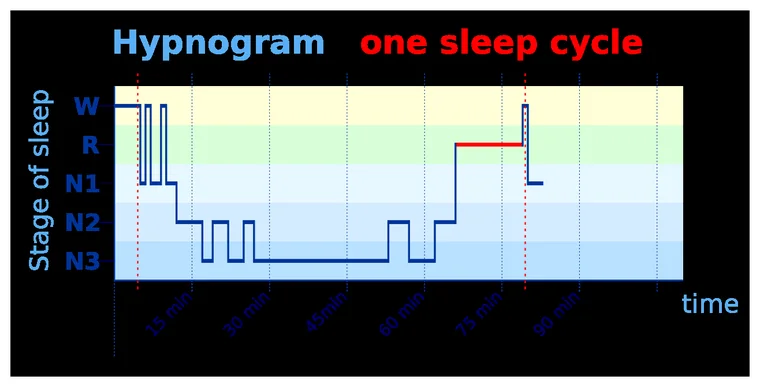
Waking up, exactly like falling asleep, is not instantaneous — it is a climb, and for a brief stretch of that climb two things are true at once. The waking-side equivalent is treated together with its sleep-onset cousin in the Wikipedia article on hypnagogia. Part of your brain is still in REM, the stage that generates dreams, while your eyes are already open and feeding in the real room. The two streams overlap, and dream imagery gets briefly painted directly onto your actual surroundings. That is why the classic hypnopompic experience is a shape or figure in the real room, rather than an abstract dream world: your waking eyes supply the setting, and your still-dreaming brain supplies the intruder. It is the same mechanism behind the "figure in the room" of a sleep paralysis episode — just without the paralysis holding you in place.
Because they are tied to REM, and REM is concentrated toward morning, hypnopompic hallucinations tend to arrive on your natural morning wake-ups or when you surface from a vivid dream — the points in the night when you are most likely to open your eyes straight out of REM.
What makes them more likely
- Sleep deprivation and irregular sleep — the biggest amplifier, as with most edge-of-sleep events.
- Fragmented sleep and frequent awakenings — more surfacings means more chances to catch the dream-wake overlap in the act.
- Stress, anxiety and certain medications.
The medication angle is worth knowing. Drugs that act on brain chemistry around sleep and wakefulness can, in the right combination, trigger or intensify waking-side hallucinations. Documented cases include hypnopompic hallucinations emerging with polypharmacy and CYP2D6 inhibition — where the body's slowed breakdown of multiple drugs produced the effect. The practical takeaway is not to assume the worst, but to mention the episodes if you take several medications, especially ones that act on the central nervous system, since adjusting the regimen sometimes resolves it.
The figure by your bed at 6 a.m. is not a ghost or a warning — it is a dream that had not quite finished playing out, and your waking brain is already erasing it. By the time you blink twice, it is gone.
When to see a doctor
Occasional hypnopompic hallucinations are normal. Speak to a doctor if they are frequent and distressing, if you also have sudden daytime sleep attacks or muscle weakness with strong emotion (which can indicate narcolepsy), or if you experience hallucinations while fully awake and alert during the day — that is a separate situation that deserves proper assessment rather than reassurance.
What separates the harmless from the concerning
Because hypnopompic images can be vivid and frightening, the reassurance question matters as much as the mechanics. The useful rule: these hallucinations happen at the sleep-wake boundary, are brief, are usually visual or auditory, and do not bleed into full wakefulness — you can think "that was a hallucination" even as it happens. They are far more common than people admit and are a recognised, mostly harmless phenomenon, not evidence of psychiatric illness.
The red flags that deserve an actual check are different: episodes that happen when fully awake and going about the day, hallucinations that build over minutes while you are clearly awake, a first episode in middle age or later with a sharp change in pattern, or anything accompanied by neurological symptoms. Those belong on a doctor's list. Everyday boundary hallucinations — the ones sitting between sleep and the alarm — belong on the sleep hygiene list, and the link to the family they sit in is worth a read in the sleep paralysis and hallucination guide.
Where SleepTrace fits
Because these episodes ride on broken and insufficient sleep, seeing the actual shape of your nights helps. SleepTrace maps your sleep stages from your iPhone's audio and trends them, so you can tell whether your waking hallucinations line up with fragmented, short sleep — and watch them ease as your nights steady and the frequent awakenings settle down.
Frequently asked questions
Yes — briefly seeing or hearing things in the seconds as you wake up is common and usually harmless. It happens because your brain is still partly in REM dreaming while your eyes are already open, so dream imagery overlaps with the real room. They are worth checking only if frequent, distressing, or paired with daytime sleep attacks.
Hypnopompic hallucinations happen as you wake up; hypnagogic hallucinations happen as you fall asleep. Both come from an overlap between REM dreaming and waking awareness, and both are usually benign.
Sometimes, yes. Certain drugs — especially combinations of central-nervous-system medications — can trigger or intensify waking-side hallucinations. Documented cases tie them to polypharmacy and slowed drug breakdown (CYP2D6 inhibition). If you take several medications and are noticing these episodes, it's worth mentioning them to your doctor, since adjusting the regimen sometimes resolves it.
References
- Drugli EH, Lehmann OE, Pallesen S, Saxvig IW, et al. Prevalence of different parasomnias in the general Norwegian population. Front Sleep (2026). Europe PMC
- Olson B, Harward N, Anderson K, et al. Hypnopompic hallucinations: a pitfall of polypharmacy and CYP2D6 inhibition. (2026). Europe PMC
SleepTrace is a wellness app, not a medical device. This article is general information, not medical advice. If your symptoms are frequent, severe or worrying, please talk to a doctor.
Hear your own night. SleepTrace turns a night of audio into your sleep phases, the sounds you made, and how it all trends — no wearable, just the iPhone on your nightstand. Download on the App Store →