Sleep deprivation shows up first in mood and focus — irritability, brain fog, cravings and slow reactions — often before you consciously feel sleepy. If those symptoms persist despite spending enough hours in bed, the likely culprit is poor sleep quality (snoring, breathing pauses, or frequent micro-arousals) rather than too few hours.
Picture the last time you ran on too little sleep. You could probably name the obvious stuff — the yawning, the third coffee, the 3 p.m. wall you hit face-first. But sleep deprivation is sneakier than the yawns suggest. After a couple of short nights your brain quietly recalibrates: it decides this diminished, foggy version of you is the new normal, and it stops flagging how far you have slipped. You feel roughly okay while performing measurably worse. That is the strange cruelty of it — the tool you would use to notice the problem is the very tool the problem degrades.
So the useful skill is not recognising exhaustion when it is obvious. It is catching the quieter signals early, and — just as importantly — telling apart two very different problems that produce identical symptoms.
Sleep deprivation symptoms: from loud to quiet
The ones you would expect
- Daytime sleepiness — nodding off on the sofa, in a warm meeting, or (genuinely dangerous) at the wheel. How much this is about sleep (rather than willpower) is the subject of the Wikipedia article on sleep deprivation.
- Heavy, gritty eyes and a wave of yawns, worst in the early-afternoon dip.
- Needing caffeine to function rather than simply to enjoy it.
The ones almost everyone misses
- A short fuse. Irritability and a low tolerance for small frustrations are among the earliest and most reliable signs — usually showing up before you would describe yourself as "sleepy" at all.
- Brain fog and word-hunting. You reread the same paragraph three times, lose the thread mid-sentence, reach for a word that simply will not come.
- Hungrier than usual, especially for carbs and sugar. Short sleep tilts the hormones that govern appetite, so cravings creep upward and willpower slides down.
- Clumsiness and slow reactions. Micro-lapses in attention — the missed step, the fumbled mug — that feel trivial one at a time and add up to something that is not.
- A flat, low mood. Sleep and mood share the same wiring; poor sleep drags mood down, and low mood wrecks sleep, and round it goes.
What is actually happening in the brain
Two forces decide how sleepy you are, and both go wrong when you shortchange sleep. The first is a chemical called adenosine — it builds up in the brain the longer you are awake, creating "sleep pressure", and it is normally cleared during a full night. Caffeine works by temporarily blocking adenosine, which is why coffee masks tiredness without repaying it. The second is your body clock, which times when you feel alert. When you cut sleep short or keep an irregular schedule, sleep pressure never fully clears and the clock loses its rhythm — the classic recipe for feeling wired at midnight and wrecked at noon.
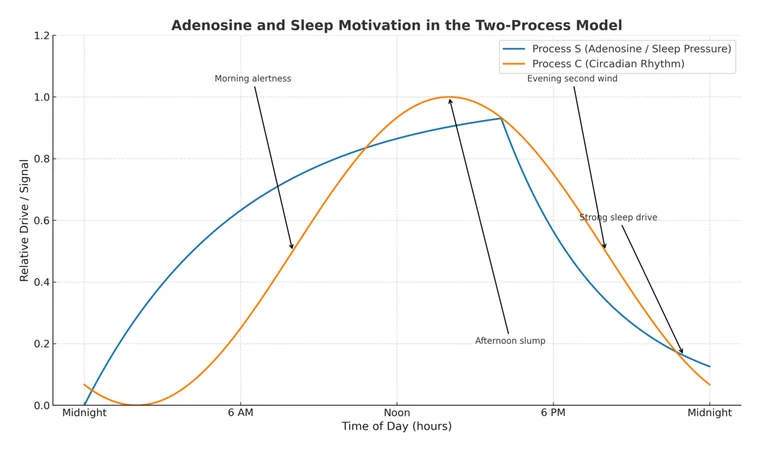
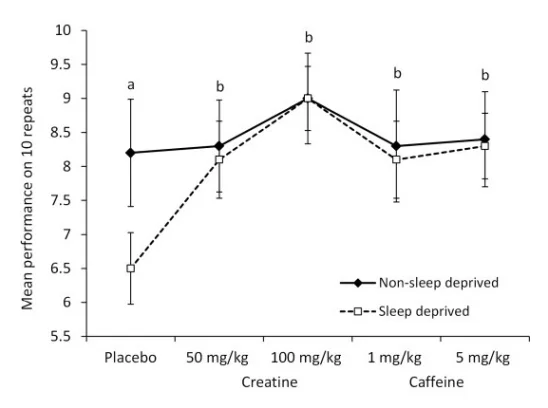
This matters because it explains why "just push through" backfires. Every hour of lost sleep leaves a residue of unmet sleep pressure — a sleep debt — that does not vanish on its own. And the performance cost is real and measurable: studies that keep people mildly short on sleep for a week find their reaction times and judgement degrade to levels comparable to being legally drunk, all while the person rates themselves as only "a little tired".
Two different problems that look identical
Here is the distinction that changes what you should do. Feeling deprived can mean one of two quite different things:
- Not enough opportunity. You are simply in bed too few hours. The fix is behavioural — protect the window, wind down earlier, treat your bedtime as a fixed appointment rather than the thing that gets sacrificed. (Not sure what the target even is? Whether 7 hours of sleep is enough settles the baseline first.)
- Enough hours, poor-quality sleep. You spend a solid eight hours in bed and still wake unrefreshed. This is the stealthy one, and it is often caused by something happening while you are asleep — snoring, brief pauses in breathing, or a night quietly shredded into fragments by dozens of micro-arousals you never remember. You cannot feel any of it, so you blame yourself for "needing too much sleep" or being "just a tired person".
A fragmented night and a short night can feel exactly the same by morning. But their fixes are opposite — one needs more time, the other needs the disruption found and treated — so guessing wrong wastes months.
The cruel part of sleep deprivation is that it blunts the very judgement you would use to notice it. That is exactly why an outside signal beats trying to remember.
When it is more than tiredness
See a doctor if daytime sleepiness is severe or dangerous — falling asleep while driving is an emergency, not a quirk — if a partner has noticed you snore heavily or stop breathing, or if low mood and exhaustion have hung around for weeks. Persistent, unexplained fatigue can point to a treatable sleep disorder, or to something else entirely (thyroid, anaemia, depression) that deserves a proper look rather than another early night.
Where SleepTrace fits
If you are tired despite decent hours, the missing piece is almost always what your nights actually look like — and that is the one thing you cannot observe from the inside. SleepTrace maps your sleep stages from a night of audio on your iPhone, no wearable required, and flags the snoring and pauses that quietly fragment sleep. It turns "why am I always tired?" from a shrug into something you can see on a chart and, if it matters, hand to a doctor. A good place to start is why you are still tired after 8 hours.
Frequently asked questions
Often it is mood and focus rather than sleepiness — a shorter temper, trouble concentrating, rereading the same line, and reaching for words. Increased cravings and slower reactions follow. Feeling obviously sleepy usually comes after these subtler signs, not before.
Yes. If your sleep is fragmented by snoring, brief breathing pauses or frequent micro-arousals, you can spend enough hours in bed and still wake unrefreshed. Because you cannot feel these events, the tiredness is easily misread as needing more sleep.
References
- Nagabhushan S, Kumar M, Ghosh S, Kadirova N. Impact of sleep quality and sleep disturbances on quality of life. Cureus (2026). Europe PMC
SleepTrace is a wellness app, not a medical device. This article is general information, not medical advice. If your symptoms are frequent, severe or worrying, please talk to a doctor.
Hear your own night. SleepTrace turns a night of audio into your sleep phases, the sounds you made, and how it all trends — no wearable, just the iPhone on your nightstand. Download on the App Store →