Dreams are consistently vivid throughout the night — what changes is how much you remember, and vivid dreams cluster specifically in REM-heavy sleep. Research directly links a higher percentage of REM sleep to more vivid dream recall. A recent uptick usually traces to more REM sleep or more mid-REM awakenings: stress, alcohol withdrawal, certain medications (especially antidepressants), sleep deprivation rebound, pregnancy, or simply an irregular schedule that's shifting more sleep into REM-dominant stretches. It's rarely a sign of anything wrong on its own — the exception is a sudden change alongside a new medication or a significant mood shift, both worth mentioning to a doctor.
I want to push back gently on the popular framing here, because it's almost exactly backwards: a sudden run of vivid dreams doesn't usually mean your subconscious has something urgent to tell you. It far more often means something purely mechanical changed — more REM sleep, or more awakenings that happen to catch you mid-REM — and you're simply remembering dreams that were probably about this vivid most nights already.
Vivid dreams are the default — memory is the variable
This is the single most important reframe: dreaming during REM sleep is, by default, richly sensory, emotionally charged, and narratively strange almost every night, for almost everyone. What REM actually is and why it looks that way is covered in the Wikipedia article on REM sleep. What varies isn't how vivid the dream was — it's whether you woke up with enough of it intact to remember. A prospective study tracking dream vividness alongside sleep architecture found a direct relationship: more REM sleep as a percentage of total sleep tracked with more vivid dream recall. So when your dreams feel unusually vivid lately, the honest first question isn't "what is my mind processing" — it's "what changed about my REM sleep, or about how I'm waking out of it."
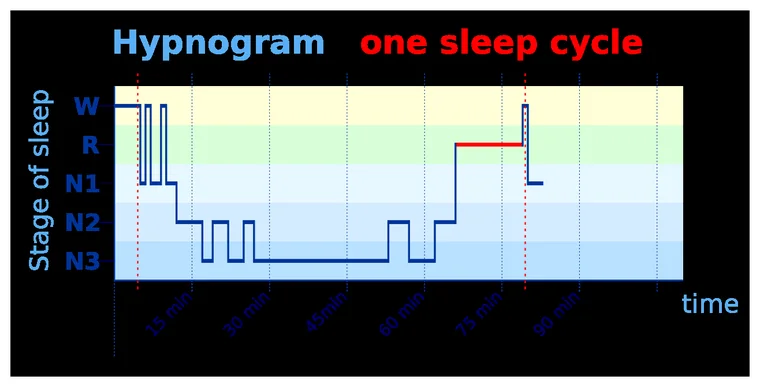
What actually increases REM, or your odds of catching it
Sleep deprivation rebound
After a period of insufficient sleep, your brain doesn't just make up the missing hours evenly — it disproportionately prioritizes REM sleep in the nights that follow, a well-documented rebound effect. Catching up on sleep after a rough stretch is a classic trigger for an intense run of dreams.
Alcohol, and especially stopping it
Alcohol suppresses REM sleep on the night you drink, and then produces a rebound surge of REM — often unusually intense — as it clears from your system later that night or the next. This is one of the more reliable "why did I have such wild dreams" triggers people report.
Medications, especially antidepressants
SSRIs and several other psychiatric medications are well known to alter REM sleep architecture and dream content, sometimes increasing vividness or intensity, sometimes producing outright strange or distressing dreams. A recent narrative review on pharmacological effects on dreaming lays out just how directly medication can reshape dream experience — worth knowing if your vivid dreams started around the same time as a new prescription.
Pregnancy
Hormonal shifts and more fragmented, frequently-interrupted sleep during pregnancy both increase the odds of surfacing mid-REM, which is why unusually vivid, memorable dreams are such a widely reported pregnancy experience.
Stress and an irregular schedule
Both fragment sleep in ways that increase the number of awakenings that happen to land inside REM — more surfacings, more chances to remember what you were dreaming.
Why stress-triggered vivid dreams still aren't mystical
Stress absolutely can shape dream content — you're more likely to dream about the thing stressing you out, because your brain is doing genuine emotional processing during REM. But that's a separate claim from "stress is sending you a coded message," and it's worth keeping those apart. The mechanism — more fragmented sleep, more mid-REM awakenings — explains the vividness and frequency perfectly well without needing a symbolic layer on top. The content can be meaningfully about your life. The vividness itself is mostly plumbing.
Vivid dreams vs. nightmare disorder — a real distinction, not just intensity
It's worth separating "vivid" from "bad," because they get lumped together constantly and they're not the same axis. A vivid dream can be beautiful, strange, or emotionally neutral — vividness just means richly detailed and memorable. Nightmare disorder is a different, specific diagnosis: recurrent, distressing dreams intense enough to reliably wake you and disrupt your mood or ability to fall back asleep, happening often enough to interfere with daily life. Plenty of people with unusually vivid dream lives never come close to that threshold. The line worth watching isn't "how vivid" — it's whether the dreams are actively distressing and disruptive on a recurring basis, which is a much smaller, more specific category than "I've been dreaming a lot lately."
Where lucid dreaming fits in
A related but distinct phenomenon is lucid dreaming — becoming aware that you're dreaming while still inside the dream, sometimes gaining a degree of control over it. It shares the same REM-sleep substrate as ordinary vivid dreaming, and the same triggers that increase REM (sleep deprivation rebound, certain supplements, specific wake-then-sleep techniques) also raise the odds of a lucid episode. Some of the same medications and pharmacological approaches studied for dream intensity are specifically being explored for inducing lucidity on purpose, which tells you something useful: dream vividness and dream awareness are adjustable through the same basic lever — the amount and continuity of REM sleep you're getting, and how cleanly you surface out of it.
Why dream content feels so personally meaningful
Even once you accept the mechanical explanation for vividness, the content still often feels uncannily relevant — a persistent, well-supported observation in dream research called the continuity hypothesis: dream content tends to reflect the emotional preoccupations, people, and concerns of your waking life, not randomly but in recognizable, if distorted, form. That's a genuinely interesting fact about dreaming and worth taking seriously — it's just a different question from why the dream felt so vivid and stuck with you this time. One is about content, shaped by what's actually going on in your life; the other is about mechanics, shaped by how much REM sleep you got and how cleanly you woke out of it. Both can be true about the same dream without either one needing the other to be mystical.
When it's worth a second look
Occasional or even frequent vivid dreams, on their own, aren't a red flag. It's worth mentioning to a doctor if vivid or distressing dreams started right alongside a new medication (a dose adjustment sometimes helps), if they cross into the nightmare-disorder territory above — recurrent, distressing, and disrupting sleep or mood — or if they're paired with acting out dream content physically — thrashing, shouting, falling out of bed — which points toward REM sleep behavior disorder rather than ordinary vivid dreaming, and is worth a proper evaluation.
Where SleepTrace fits
Because vivid dreams track so closely with more REM sleep and more mid-sleep awakenings, seeing your actual sleep architecture over time connects the dots. SleepTrace maps your sleep stages from your iPhone's audio and trends them, so you can check whether your most vivid-dream mornings line up with more fragmented nights, a late drink, or simply catching up on lost sleep — turning a "why did I dream that" question into something you can actually trace.
Frequently asked questions
Usually because something changed about your REM sleep or your awakenings, not because your subconscious is more active than usual. Sleep deprivation rebound, alcohol clearing from your system, a new medication (especially antidepressants), pregnancy, and stress-driven sleep fragmentation are the most common triggers — all of them increase either total REM sleep or your odds of waking up mid-REM with a dream still intact.
Almost never on their own. Dreams are vividly detailed by default during REM sleep for nearly everyone — what changes is how much you remember. It's worth a doctor's attention only if vivid dreams started with a new medication, are consistently nightmarish and disruptive, or come with physically acting out dream content.
Vividness just means richly detailed and memorable — it says nothing about whether a dream is good, bad, or neutral. Nightmares are a specific category: distressing dreams that wake you up. It only becomes nightmare disorder, a distinct clinical condition, when that happens recurrently and disrupts your sleep or daily life — a much narrower category than simply having vivid dreams.
References
- Fattal D, Platti N, Hester S, Wendt L. Vivid dreams are associated with a high percentage of REM sleep: a prospective study in veterans. J Clin Sleep Med (2023). Europe PMC
- Oldoni AA, Bacchi AD, Mendes FR, et al. Neuropsychopharmacological Induction of (Lucid) Dreams: A Narrative Review. Brain Sci (2024). Europe PMC
SleepTrace is a wellness app, not a medical device. This article is general information, not medical advice. If your symptoms are frequent, severe or worrying, please talk to a doctor.
Hear your own night. SleepTrace turns a night of audio into your sleep phases, the sounds you made, and how it all trends — no wearable, just the iPhone on your nightstand. Download on the App Store →