Waking up anxious before you've had a single conscious thought is usually physiological, not psychological: cortisol naturally spikes in the first half-hour after waking, and in a body that's stressed, sleep-deprived, or coming off alcohol, that same spike gets interpreted as dread rather than simple alertness. Fragmented sleep independently primes the nervous system for exactly this kind of morning reactivity. It doesn't mean nothing is wrong — but it does mean the anxious thought isn't the root cause, it's a story your brain tells to explain a feeling your body produced first.
For a lot of people, the anxious thought isn't the cause of the anxious feeling on waking — it's downstream of it. You don't wake up, remember something stressful, and then feel dread. You feel the dread first, physically, before a single conscious thought has formed, and your brain — which hates an unexplained feeling — immediately reaches for a reason. Usually it finds one. That doesn't mean the reason is fake, but it does mean fixing the thought isn't always where the actual lever is.
Waking up with anxiety: the cortisol awakening response
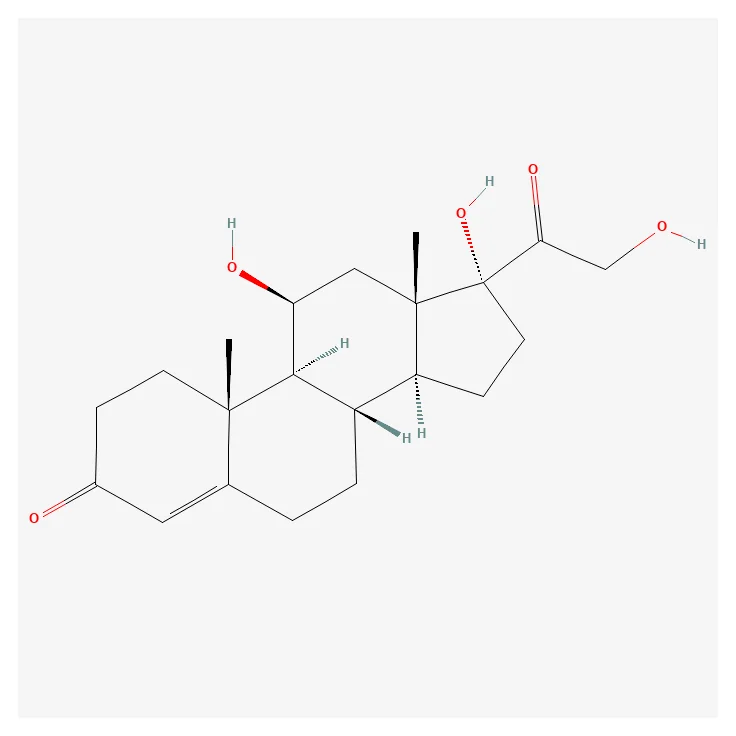
In everyone, cortisol — the hormone most associated with alertness and stress — rises sharply in the first thirty to forty-five minutes after waking. This hormone spike has its own name and mechanism, covered in the Wikipedia article on cortisol. This is entirely normal; it's part of what gets you up and functional. In a nervous system that's already primed by chronic stress, poor sleep, or alcohol the night before, that same biological spike gets registered differently: not as "alert and ready," but as "something is wrong." The chemistry is doing something very similar in both cases — the interpretation is what differs, and that interpretation depends heavily on the state your body was already in.
Why fragmented sleep makes it worse
Sleep that's frequently interrupted — by noise, alcohol wearing off, a partner, or an untreated issue like sleep apnea — doesn't just leave you tired. It leaves your nervous system in a more reactive baseline state, because deep, uninterrupted sleep is exactly what normally down-regulates stress reactivity overnight. Research tracking sleep disruption over time and its later link to panic symptoms points the same direction: poor sleep doesn't just coexist with anxiety, it appears to actively feed it. A rough night doesn't just make you groggy the next morning — it makes the morning cortisol spike more likely to land as dread instead of alertness.
Alcohol's specific role
Alcohol deserves its own callout here, because the pattern is so reliable it has its own informal name — "hangxiety." Alcohol disrupts GABA, the nervous system's primary calming neurotransmitter, and as it wears off overnight, that calming signal drops off with it, often right around the same window as the natural cortisol rise. The two effects stack, which is why the morning after drinking so often produces anxiety out of proportion to anything that actually happened the night before.

Sleep apnea's specific role — a cause that gets missed
There's one cause of morning anxiety that deserves its own callout because it's so routinely missed: undiagnosed sleep apnea. Repeated breathing pauses trigger dozens or hundreds of micro-arousals a night, each one a small adrenaline surge as your body jolts itself back into breathing — essentially the same physiological stress response anxiety runs on, delivered in small, repeated doses all night long, every night. Wake up from that pattern and it's easy to misread the residue as generalized morning anxiety, especially if you don't remember the breathing pauses themselves. If morning anxiety travels with snoring, witnessed breathing pauses, or a headache that's worse than the anxiety itself, that combination is worth mentioning to a doctor specifically — treating the apnea sometimes resolves anxiety that talk therapy alone never touches, because the actual driver was mechanical, not emotional.
Separating physiology from something that needs more attention
None of this means anxious mornings are never "real" in the sense of reflecting something worth addressing. It means the physical trigger and the eventual thought are two different things, and treating only the thought — trying to reason your way out of a feeling your body produced first — often doesn't work as well as addressing the physiology underneath it. That said, if morning anxiety is frequent, severe, or bleeding into the rest of your day regardless of how well you slept, that's worth a conversation with a doctor or therapist rather than only a sleep fix — physiology can be the trigger without being the whole story. (If you are not sure where to start looking for help, our guide to mental health resources walks through the options, from crisis lines to therapy.)
Breaking the cycle over weeks, not just mornings
A single calm-breathing routine helps in the moment, but the pattern that actually breaks a recurring physiological anxious wake-up is usually a few weeks of consistency rather than any one morning trick. That means the same unglamorous levers show up again: a steady sleep and wake time (irregular sleep is itself a chronic stressor to your nervous system, on top of whatever else is going on), noticeably less evening alcohol for at least two or three weeks to see if hangxiety was doing more of the work than you assumed, and treating any snoring or breathing-pause pattern rather than working around it. The frustrating, honest truth is that morning anxiety driven by physiology rarely responds to willpower in the moment — it responds to what your nervous system experienced overnight, which means the real intervention window is the night before, not the anxious minute itself.
What actually helps
- Protect uninterrupted sleep as the highest-leverage fix — it directly lowers next-morning reactivity.
- Cut evening alcohol, or at least notice the pattern if hangxiety is a recurring theme.
- A slow, deliberate breathing routine on waking, before reaching for your phone — this works on the physiology directly, faster than trying to think your way calm.
- A small breakfast soon after waking if blood sugar seems to be part of your pattern.
- Rule out sleep apnea if snoring or breathing pauses are part of your picture — this is the one cause on this list that a breathing exercise won't fix.
Where SleepTrace fits
If your anxious mornings track closely with rough, fragmented nights, that's a genuinely useful thing to know rather than guess at. SleepTrace records your night on your iPhone and trends your sleep stages over time, so you can see whether your worst mornings line up with your most broken nights — and whether snoring or breathing pauses are part of that pattern — evidence that points you toward fixing sleep rather than only managing the anxiety after the fact. If wake-ups themselves are frequent, sleep deprivation symptoms covers the wider pattern this can feed into.
Frequently asked questions
This is usually physiological rather than psychological. Cortisol rises sharply in the first half-hour after waking in everyone; in a nervous system that's already stressed, sleep-deprived, or recovering from alcohol, that normal rise gets interpreted as dread rather than simple alertness — often before a conscious thought has even formed.
Yes — fragmented, interrupted sleep leaves your nervous system in a more reactive baseline state, because deep uninterrupted sleep normally helps down-regulate stress reactivity overnight. Research linking disrupted sleep to later panic symptoms supports this: poor sleep doesn't just coexist with anxiety, it can actively feed it.
Yes, and it's a commonly missed cause. Repeated breathing pauses trigger frequent adrenaline-driven micro-arousals through the night, which can leave a residue that's easy to misread as generalized anxiety the next morning. If snoring or witnessed breathing pauses are part of your picture, it's worth raising with a doctor specifically — treating the apnea sometimes resolves the anxiety on its own.
References
- Zainal NH, et al. Childhood paternal abuse and low paternal affection predict adult panic symptoms 18 years later via actigraphy-indexed sleep disruptions. Psychol Med (2026). Europe PMC
SleepTrace is a wellness app, not a medical device. This article is general information, not medical advice. If your symptoms are frequent, severe or worrying, please talk to a doctor.
Hear your own night. SleepTrace turns a night of audio into your sleep phases, the sounds you made, and how it all trends — no wearable, just the iPhone on your nightstand. Download on the App Store →
Keep reading
- Waking up with a racing heart: what it means
- Why do I wake up at 3am every night?
- Sleep deprivation symptoms: how to spot them
- Grief and sleep: why you can't sleep (or won't wake) when you're grieving
- Seasonal affective disorder: the winter sleep-mood connection, and what helps
- Social anxiety and treatment: what actually helps