Most snoring is the airway narrowing while relaxed in sleep, and the most effective home first-steps attack exactly that: sleep on your side rather than your back, keep alcohol and sedatives out of the evening, and address a blocked nose (allergies, congestion). These are cheap and genuinely help a lot of people. If simple measures aren't enough, a dentist-fitted mandibular advancement device — not an off-the-shelf strip — is the most evidence-backed next step. What to skip: generic anti-snoring mouthguards from the internet, and anything that claims a permanent 'cure'. And if you snore loudly with pauses in breathing, gasping, or daytime exhaustion, that's not ordinary snoring — it's worth an actual sleep assessment before buying anything.
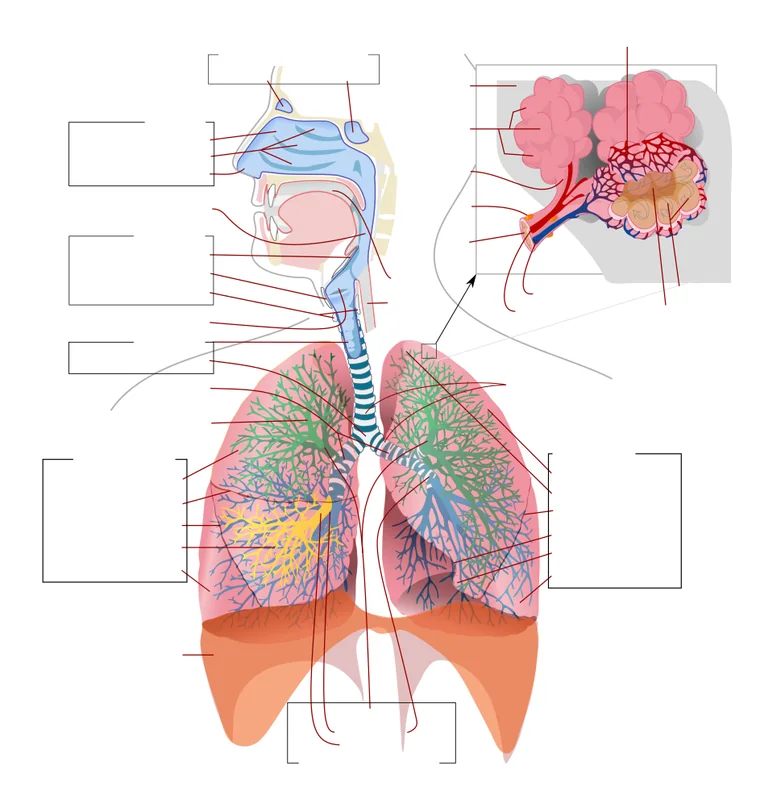
Snoring is a vibration. During sleep the muscles that hold your airway open relax, the airway narrows, and the air forced through the smaller space makes the soft tissues buzz. Everything that 'stops snoring' works on that one equation: open the airway, or keep it from narrowing. Once you see it that way, the noise of the anti-snoring market gets a lot easier to filter — and the order of what to try becomes clear.
How to stop snoring while sleeping: first, the cheap fixes that genuinely work
Before any gadget, there are three things that address the most common causes of plain snoring — and they cost nothing:
- Sleep on your side, not your back. In many people, snoring is positional — lying on the back lets the tongue and soft palate fall back and narrow the airway. Side sleeping is the single cheapest, most effective first move, and the evidence is solid. A simple trick: a pillow behind your back so you don't roll over, or a pillow or wedge that encourages side position. (The fuller picture of why side beats back — and when back is fine — is in the best sleeping position guide.)
- Cut alcohol and sedatives in the evening. Alcohol and sleep aids relax the airway muscles even further, which is why snoring is dramatically worse after a drink. This is one of the most reliable cause-and-effects there is.
- Clear a blocked nose. If allergies or congestion force mouth breathing, the airway is already compromised. A nasal rinse, allergy treatment, or a simple external nasal dilator strip helps people whose snoring starts with a blocked nose.
If your snoring is mild and positional — worse on your back, worse after drinking, absent on your side — these three may be the whole fix. That's a real outcome, not a consolation prize.
Positional tools: pillows and more
If side sleeping helps but you roll over at night, there's a middle rung: position aids. Studies on anti-snoring pillows have found a real effect — a randomized crossover trial of a head-positioning pillow found a significant reduction in the objective snoring index. Simple, boring, and it works for the same reason as side sleeping: it keeps the airway open by position. That's the theme to watch for across all snoring products: does it open the airway, or doesn't it?
The dentist-made device: the real evidence step
If the cheap fixes aren't enough, the next rung with real evidence behind it is a mandibular advancement device (MAD) — a fitted oral appliance, made by a dentist, that holds the lower jaw slightly forward to keep the airway open. (The honest picture of whether a mouthpiece is the right tool at all is in does an anti snoring mouthpiece work.) This is the category where the research gets serious. A 2024 randomized clinical trial compared a dentist-fitted MAD against a bundle of at-home measures (nasal dilator, saline rinse, mouth tape, side sleeping) in couples where one person snored: both helped, but the fitted device produced a larger, more clinically meaningful reduction in snoring for more people. That's the honest takeaway: both work, the fitted device works better — and the distinction that matters is fitted.
The line that separates a genuine fix from a gimmick is simple: does it open the airway? Side sleeping opens it. A fitted dental device opens it. An internet mouthguard that doesn't fit your mouth doesn't.
What to skip
The anti-snoring market runs on hope, and most of it is noise. Generic off-the-shelf mouthguards, 'smart' bands that vibrate when you snore, sprays, and magnetic gadgets all share a problem: they don't address the mechanism, or they do it so poorly it doesn't matter. Vibration bands have one genuinely useful niche — they can train you off your back — but they don't fix snoring by themselves. The rule that cuts through everything: any product that promises to 'permanently cure' snoring is marketing, not medicine. Snoring tends to change with weight, age, allergies, and alcohol; it's a recurring condition to manage, not a disease to vanquish with a gadget.
Weight and snoring
Weight is one of the few factors with a strong, well-established link to snoring and apnea, because tissue around the neck narrows the airway. Losing weight genuinely helps many people — and weight loss is one of the few interventions with evidence across both snoring and sleep apnea. It's slower than a pillow, but it's the fix with the widest effects.
When snoring isn't just snoring
This is the most important paragraph in the article. Loud snoring with pauses in breathing, gasping or choking sounds, witnessed breathing stops, or daytime exhaustion despite a 'full' night — that's not ordinary snoring, that's the pattern of obstructive sleep apnea, and no pillow, strip, or tape is the answer. Those signs deserve an actual sleep assessment before you spend anything on gadgets. The good news is that if it is apnea, it's very treatable — but the treatment decision starts with knowing, not guessing.
Where SleepTrace fits
SleepTrace records your night with just your iPhone and shows your sleep stages plus the sounds — so you can see whether your snoring is mild and positional, or loud with gaps that signal something more. That's the exact fork in the road: if the audio shows steady, simple snoring, the cheap fixes and the dentist-made device are reasonable next steps; if it shows snoring punctuated by silent gaps and gasps, that changes the plan. Either way, a few recorded nights beat a guess. Start with how to know if you snore, or skip ahead to is snoring bad? if you want the honest risks first.
Frequently asked questions
Sleep on your side instead of your back — it's free, instant, and the most common cause of plain snoring is sleeping on the back. Avoid alcohol in the evening, since it relaxes the airway muscles and reliably makes snoring worse. If you have a blocked nose, clear it first. For many people with mild positional snoring, those three are the entire fix.
Fitted dental devices (mandibular advancement devices) have real evidence behind them — a 2024 randomized trial found a dentist-fitted device produced a larger reduction in snoring than at-home measures alone. But cheap generic mouthguards from the internet rarely fit properly and rarely help. If you're at the device stage, spend on a dentist-fitted one, not an internet strip.
Ordinary snoring is a vibration; the danger pattern is pauses in breathing, gasping or choking sounds, witnessed breathing stops, or exhaustion despite a full night's sleep. Those signs point to obstructive sleep apnea, which is very treatable but needs a proper assessment — no gadget is the answer. If snoring is loud, erratic, or partnered with daytime sleepiness, get it checked rather than buying another product.
References
- Ioerger P, Afshari A, Hentati F, et al. Mandibular Advancement vs Combined Airway and Positional Therapy for Snoring: A Randomized Clinical Trial. JAMA Otolaryngol Head Neck Surg (2024). Europe PMC
- Cazan D, Mehrmann U, Wenzel A, et al. The effect on snoring of using a pillow to change the head position. Sleep Breath (2017). Europe PMC
SleepTrace is a wellness app, not a medical device. This article is general information, not medical advice. If your symptoms are frequent, severe or worrying, please talk to a doctor.
Hear your own night. SleepTrace turns a night of audio into your sleep phases, the sounds you made, and how it all trends — no wearable, just the iPhone on your nightstand. Download on the App Store →