Protein helps muscle recovery, but the details matter less than the total: hitting roughly 1.6–2.2 g of protein per kg of body weight per day, spread across meals, matters more than timing a shake within 30 minutes of your workout. The 'anabolic window' is real but wide — several hours, not minutes — and the biggest acute lever after training is sleep, because muscle repair and growth hormone release happen largely during deep sleep. Soreness (DOMS) is normal, peaks 24–72 hours after a workout, and is reduced more reliably by getting enough protein and sleep than by timing tricks.
If you've ever Googled 'muscle recovery' after a hard workout, you've walked into a wall of conflicting advice: protein within 30 minutes, casein before bed, BCAA's or you've wasted the session, ice baths, foam rolling, more sleep, less sleep. It's a lot. The good news is that the scientific picture is more settled — and more boring — than the supplement aisle suggests.
Protein and muscle recovery: dose matters more than timing
Protein is the raw material for muscle repair. The repair and growth process is described in the Wikipedia article on muscle hypertrophy. After resistance training, your body rebuilds and strengthens the fibers you stressed, and protein provides the building blocks. The research is unusually clear on one point: the total daily amount matters more than when you eat it. The commonly cited target for people training for muscle gain is roughly 1.6 to 2.2 grams of protein per kilogram of body weight per day. For an 80 kg person that's about 130 to 175 grams — achievable with food, and far more than a single shake.
The famous 'anabolic window' — the idea that you have 30 minutes after a workout to down a shake or lose the gains — is more myth than rule. A landmark 2012 review concluded that protein timing has little practical effect on hypertrophy and strength for people who already eat enough total protein. What actually moves the needle is consistently hitting your daily target, spread over several meals so your body always has amino acids available.
So: if you're already eating well across the day, the urgency of the post-workout shake largely disappears. It's convenient, it helps you hit your number, and it's a fine habit — it's just not the make-or-break moment the marketing suggests.
Soreness: why your legs hate you the next day
Delayed-onset muscle soreness — the stiffness that peaks a day or two after an unfamiliar workout — is a normal response to unaccustomed strain, especially from eccentric exercise like downhill walking or the lowering phase of a lift. It's not a sign your workout 'worked harder' and not an injury. A 2014 systematic review of protein supplementation found a small but real reduction in soreness and a faster return of muscle function — but the effect is modest. What helps soreness reliably is time, gentle movement, and good recovery habits, of which sleep is the biggest.
Ice, heat, and the cryotherapy trend
Cold therapy is genuinely popular post-workout, and the research on cold water immersion does show reduced soreness and faster subjective recovery in the days after training. But there's a wrinkle the ice-bath crowd rarely mentions: a 2013 review noted that while cold reduces soreness, it may also blunt some of the training stimulus — the inflammation you're chilling is part of the signal telling your muscles to adapt. Cold feels good and reduces soreness; it's not clearly better for building muscle. Save the ice for when you feel beat up, not as a daily ritual after every session.
Protein builds the blocks. Sleep is when the building actually happens.
The underrated recovery tool: your sleep
Here's the part the supplement industry doesn't sell: the repair work happens mostly while you sleep. Growth hormone, the key driver of muscle repair and tissue growth, is released predominantly during deep (slow-wave) sleep. Short and fragmented sleep doesn't just leave you tired — it reduces the recovery your training was supposed to trigger. Two honest points to make it concrete:
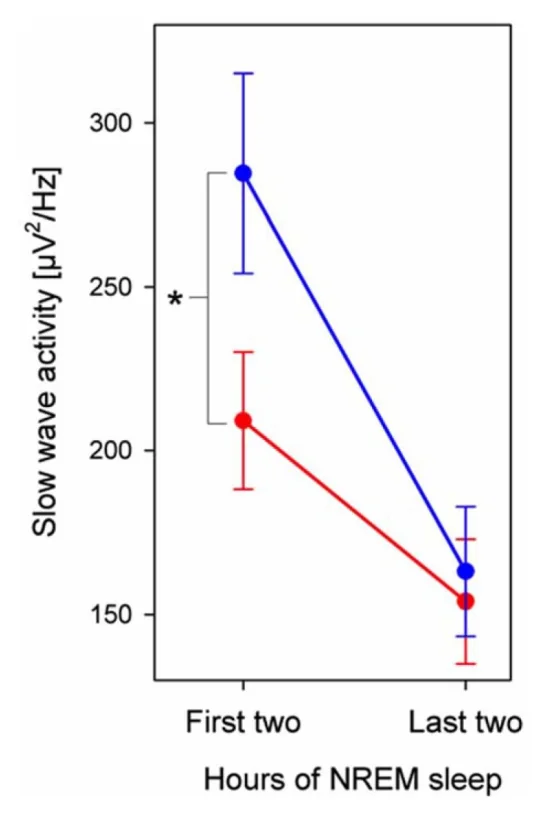
- Deep sleep is when the building happens. Prioritize the factors that protect deep sleep — consistent bedtime, no alcohol close to sleep, a cool dark room.
- Sleep deprivation and soreness amplify each other. A hard workout on poor sleep feels harder, recovers slower, and increases injury risk.
The practical recipe
If you want one honest protocol, it's this: eat enough protein across the day (roughly 1.6–2.2 g/kg), don't stress the 30-minute window, use ice for soreness relief when you want it, and treat sleep as a training variable, not an afterthought. A shake after training is fine — but a good night's sleep after that shake is what makes the recovery real.
Where SleepTrace fits
Because sleep is the biggest recovery lever you're not tracking, it's worth measuring. SleepTrace records your night with just your iPhone and shows your sleep stages — including how much deep sleep you're actually getting, which is when the repair work happens. Track a training week alongside your nights and you'll see the pattern: harder weeks need better sleep. Read how to get more deep sleep next, or check heart rate variability to understand what your body's recovery signal is doing.
Frequently asked questions
Yes, modestly. A systematic review found protein supplementation reduces post-exercise soreness a little and speeds recovery of muscle function — but the effect is small. Hitting your total daily protein (about 1.6–2.2 g per kg of body weight) matters far more than the shake itself.
Not as advertised. The window for meaningful muscle-protein synthesis is several hours after training, not minutes — and research finds timing has little practical effect on strength or size for people who already eat enough total protein. Don't stress the 30 minutes; stress the daily total.
Yes, substantially. Growth hormone, a main driver of muscle repair, is released mostly during deep (slow-wave) sleep. Short or fragmented sleep reduces recovery, makes soreness worse, and increases injury risk. Sleep is arguably the biggest recovery lever you can control.
Probably not. Cold water immersion does reduce soreness, but it may also blunt some of the adaptation signal your muscles need to grow stronger. Use cold therapy when you're genuinely beat up; don't make it a daily ritual.
References
- Pasiakos SM, Lieberman HR, McLellan TM. Effects of protein supplements on muscle damage, soreness, and recovery of muscle function and physical performance: a systematic review. Sports Med (2014). Europe PMC
- Stark M, Lukaszuk J, Prawitz A, Salacinski A. Protein timing and its effects on muscular hypertrophy and strength in individuals engaged in weight-training. J Int Soc Sports Nutr (2012). Europe PMC
SleepTrace is a wellness app, not a medical device. This article is general information, not medical advice. If your symptoms are frequent, severe or worrying, please talk to a doctor.
Hear your own night. SleepTrace turns a night of audio into your sleep phases, the sounds you made, and how it all trends — no wearable, just the iPhone on your nightstand. Download on the App Store →